EXPLORE TANZANIA WITH ROAM AND MORE
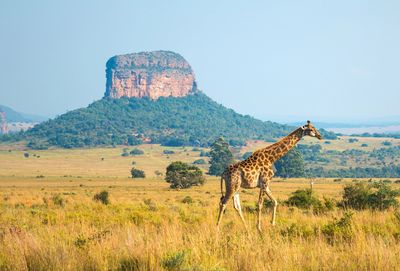
1. Serengeti National Park:
The Serengeti is famous for its vast savannahs and the annual Great Migration, where millions of wildebeest, zebras, and gazelles move across the plains in search of water and food, attracting predators like lions, cheetahs, and crocodiles. Visitors can experience game drives, hot air balloon safaris, and even witness the dramatic river crossings.
2. Ngorongoro Crater:
This UNESCO World Heritage site is often referred to as the “Garden of Eden.” It is a collapsed volcanic caldera, home to an abundance of wildlife, including the “Big Five” (lions, elephants, leopards, rhinos, and buffaloes). The crater is a rich ecosystem with lush forests, grasslands, and lakes, offering a unique safari experience.
3. Tarangire National Park:
Known for its large elephant herds and iconic baobab trees, Tarangire is a less crowded park compared to Serengeti and Ngorongoro, making it perfect for a more intimate safari. The park is also home to lions, leopards, cheetahs, and various bird species, as well as seasonal migrations of wildebeest, zebras, and giraffes.
4. Lake Manyara National Park:
Famous for its tree-climbing lions and stunning landscapes, Lake Manyara offers a diverse safari experience. The park is set on the edge of the Great Rift Valley and features a mix of habitats, including a soda lake, dense forests, and open grasslands. You can see elephants, baboons, flamingos, and a variety of wildlife.
5. Ruinsori Mountains National Park (for hiking safaris):
For those looking for a more adventurous safari, the Ruinsori Mountains offer trekking safaris. These rugged mountains, often called the “Mountains of the Moon,” are a UNESCO World Heritage site with glaciers, waterfalls, and diverse ecosystems. The trek is ideal for hiking enthusiasts seeking a unique wildlife experience.
6. Selous Game Reserve (Nyerere National Park):
This vast and remote reserve offers an off-the-beaten-path safari experience. Selous is known for its diversity of wildlife, including elephants, lions, hippos, and wild dogs, as well as the Rufiji River that cuts through the reserve, providing opportunities for boat safaris. It’s a more secluded and peaceful place compared to other popular parks.
7. Mikumi National Park:
Located in the southern part of Tanzania, Mikumi is a hidden gem that’s often quieter and less visited. It’s home to large populations of elephants, buffaloes, giraffes, and lions. The park’s accessibility and diverse wildlife make it an excellent choice for safari-goers seeking a more relaxed experience.
8. Zanzibar Island (for a combination of wildlife and relaxation):
Though Zanzibar is primarily known for its beaches, there are also opportunities for marine safaris, where visitors can explore the vibrant coral reefs, spot dolphins, and enjoy snorkeling or diving. Combining a traditional safari in Tanzania’s mainland parks with a relaxing beach holiday in Zanzibar is a popular itinerary.
Safari Types in Tanzania:
• Game Drives: The most common safari activity, where tourists drive through parks and reserves in search of wildlife.
• Walking Safaris: Led by experienced guides, these safaris allow tourists to get up close to nature and learn about the flora and fauna.
• Boat Safaris: In places like Selous and Lake Tanganyika, boat safaris offer a different perspective of wildlife, especially aquatic animals like hippos and crocodiles.
• Hot Air Balloon Safaris: Particularly in Serengeti, this is a thrilling way to view the vast landscapes and wildlife from above at sunrise.
• Cultural Safaris: Many tours also include visits to local tribes like the Maasai, where visitors can experience traditional lifestyles and learn about local customs.
Best Time to Visit:
• Dry Season (June to October): Ideal for wildlife viewing as animals gather around waterholes and rivers. The weather is warm and dry, making it easier to see animals.
• Wet Season (November to May): While the parks are lush and green, some areas may be harder to access, and wildlife can be more dispersed. However, this is also when the migratory birds arrive, and the Great Migration begins.
A safari in Tanzania offers not just stunning wildlife sightings but also breathtaking landscapes, cultural encounters, and an opportunity to connect with nature.